

The fastest way to save on grocery shopping is to plan your meals around store sales, buy store-brand essentials, compare unit prices, and avoid impulse buying. Most people can cut their bill by 30 to 40 percent simply by switching to a weekly meal plan, shopping in the right aisles, and following sale cycles. For example, a family that spends $180 per trip can save $50 or more just by buying frozen vegetables, choosing store-brand staples, and shopping midweek when discounts reset.
Here is the simple truth. Grocery prices in the US have climbed sharply, and most shoppers are paying more than they need to. I have seen families slash their weekly bills without clipping coupons or joining warehouse clubs. It just takes a clear plan, a consistent routine, and a few store-tested strategies that work whether you shop at Walmart, Kroger, Trader Joe’s, or Aldi.
Table of Contents
What Is the Best Way to Save on Grocery Shopping?
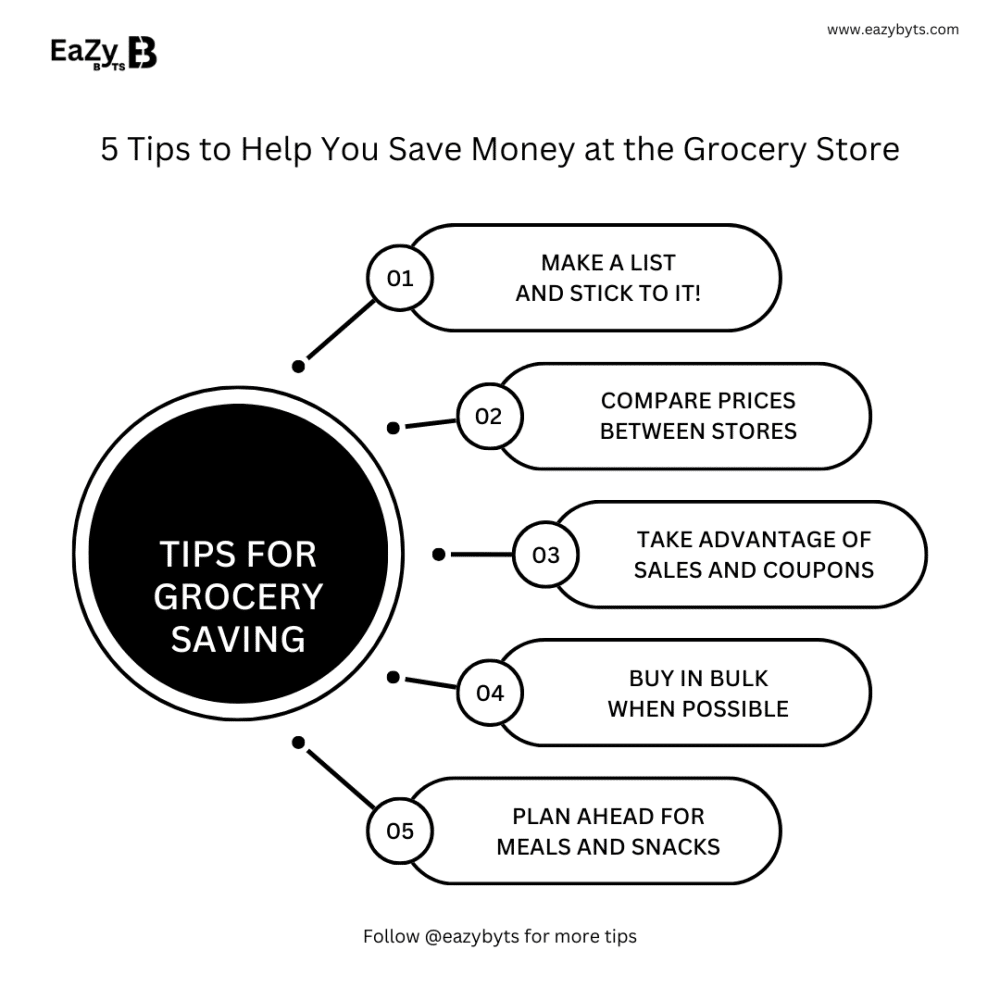
The best way to save on grocery shopping is to shop with a list based on store sales, compare unit prices instead of shelf prices, and choose store-brand items for most staples. This approach keeps your cart focused, your spending predictable, and your savings consistent. A simple example: switching from name-brand pasta, peanut butter, and cleaning supplies to store-brand versions can save $10 to $20 in one trip with no change in quality for most families.
Why Learning How to Save on Grocery Shopping Matters Right Now
According to Bureau of Labor Statistics data, grocery prices have risen more than 30 percent since 2019. The average family of four now spends over $1,300 per month on food at home, based on USDA monthly food plans. That is why knowing how to save on grocery shopping is no longer optional. A few small changes in how you plan, shop, and store food can translate into real relief for your monthly budget.
How to Save on Grocery Shopping With Smart Planning
Create a Simple Weekly Meal Plan to Save on Grocery Shopping
A weekly meal plan cuts decision fatigue and protects you from buying unnecessary items. Start with 3 core dinners you repeat monthly, add breakfast basics, and plug in affordable produce that is in season. This structure makes your list predictable and reduces waste.
Use a Grocery Budget That Fits Your Household Size
Most households overspend because they do not define a weekly or monthly grocery number. Use the USDA “Moderate” plan as a starting point, then adjust based on your location and eating habits. Single adult: $70 to $90 per week Family of 2: $120 to $150 per week Family of 4: $180 to $240 per week
Once you pick a number, keep receipts for two weeks. You will quickly see where your money is actually going.
Make a Store-Friendly Grocery List to Save on Grocery Shopping
Organize your list by store sections: produce, dairy, freezer, proteins, and pantry. This reduces wandering, which is where overspending happens. Many shoppers save 10 to 15 percent simply by sticking to a list that follows the store layout.
Try Reverse Meal Planning When Prices Are High
Instead of planning meals first, browse the weekly sales from stores like Kroger, Publix, or Safeway and build your meals around discounted items. If chicken thighs, tomatoes, and rice are on sale, that becomes your meal base. This technique can cut $20 to $40 off a weekly bill.
How to Save on Grocery Shopping Inside the Store
Shop at the Best Time of Week to Save on Grocery Shopping
The quietest and most cost-effective time to shop is midweek, usually Wednesday afternoon. This is when most grocery chains update weekly promotions, restock shelves, and mark down items approaching their sell-by dates. Shopping during this window gives you first access to fresh sale items and avoids weekend crowds that often lead to rushed and unfocused buying.
Follow the Store Layout to Avoid Overspending
Grocery stores are designed to pull you toward expensive items, especially end caps and eye-level displays. Stick to the outer aisles for essentials like produce, dairy, eggs, and proteins. Walk the center aisles only with specific items in mind. This one habit cuts impulse purchases by up to 20 percent for many households.
Use Unit Pricing Labels to Compare Items Accurately
The shelf price does not tell the full story. Always check the small unit price label that shows cost per ounce, pound, or liter. This lets you compare brand to brand and package to package without being fooled by promotions. A $4.99 box may look cheaper but cost more per ounce than a $6 pack. Unit pricing is the most accurate way to determine real value.
Choose Store Brands to Save on Grocery Shopping
Most store brands are produced by the same manufacturers that make national brands, just with different labels. According to Consumer Reports, store-brand items can cost 20 to 40 percent less with minimal difference in taste or quality across common staples like pasta, yogurt, canned goods, oats, and cleaning products. Switching 10 common items to private labels can save $15 to $25 per trip.
Know When Bulk Buying Saves Money and When It Does Not
Buying large quantities only works when the food will not spoil before you use it. Dry goods like rice, beans, oats, pasta, frozen vegetables, baking essentials, and household items almost always make sense in bulk. Highly perishable produce, fresh herbs, large bags of spinach, and dairy rarely do. If you throw out 20 percent of what you buy, bulk shopping backfires and cancels the savings.
Related Post: Target Student Deals: How the Discount Works in 2025
How to Save on Grocery Shopping With Discounts and Deals
Use Loyalty Programs to Save on Grocery Shopping
Loyalty accounts at Kroger, Safeway, Publix, Aldi, Walmart, Target, and regional chains give you access to digital-only prices, which are often lower than shelf prices. Many programs also provide personalized discounts based on your buying patterns, letting you save on items you already buy without hunting for coupons.
Check Digital Coupons (Even If You Do Not Like Couponing)
Digital coupons do not require clipping or tracking. Most stores let you load them directly onto your account from their app or website. These savings stack with weekly sales, helping you cut costs without extra steps. For example, a $1 digital coupon on top of a sale price can drop a $5 item to $3 or less.
Use Cash-Back Apps and Receipt Scanners
Apps like Fetch and Ibotta reward you for scanning receipts or buying certain items. The average user can earn $5 to $15 per month with consistent use. It is not life-changing money, but it is free money. Over a year, these bonuses can cover a grocery run or a week of produce.
Combine Sale Cycles With Seasonal Produce
Produce prices swing dramatically by season. Buying strawberries in July is far cheaper than buying them in January. When you pair seasonal buying with weekly sale cycles and in-store loyalty discounts, the savings multiply. For guidance, the USDA provides a helpful Seasonal Produce Guide that shows which fruits and vegetables are cheapest each month.
Advanced Tips on How to Save on Grocery Shopping
Track Prices Over Time to Predict Future Sales
Stores follow predictable pricing cycles. Most staples go on sale every four to six weeks. When you track prices for items you buy frequently, you learn the true “rock-bottom” price and can stock up when deals hit. This eliminates guesswork and helps you avoid paying full price unnecessarily.
Use a Price Book or Digital Tracker
A price book is a simple list of what you buy, what it costs at various stores, and when it goes on sale. You can keep it in a notes app, Google Sheet, or budget app. This tool is especially helpful for families managing larger or more specialized grocery lists.
Try “Zero-Waste Weeks” to Reduce Food Waste
A zero-waste week challenges you to eat what is already in your fridge, freezer, and pantry before buying new items. Most households throw away 20 to 30 percent of their groceries. Using what you already have can save $40 to $70 in a single week while clearing space and reducing waste.
Shift Part of Your Groceries Online for Price Consistency
Buying pantry items online helps avoid price swings and in-store temptation. Retailers like Amazon, Thrive Market, and even Walmart’s order-and-pickup service offer stable pricing and easier comparisons. Many shoppers combine in-person trips for fresh foods with online orders for staples and household items.
FAQ: How to Save on Grocery Shopping
What is the cheapest day to save on grocery shopping?
The cheapest day to shop is typically Wednesday. Many stores release weekly sales on this day and restock shelves, meaning you get first pick of discounted items and fewer crowds.
Is it cheaper to buy organic or regular groceries?
Regular groceries are almost always cheaper. Organic produce can cost 30 to 50 percent more. To balance health and budget, look at the Environmental Working Group’s Dirty Dozen and Clean Fifteen lists and buy organic only for high-residue items.
How much should a family budget to save on grocery shopping?
According to the USDA, a family of four typically spends between $180 and $240 per week on a moderate budget. Tracking receipts for two weeks will show whether you fall above or below this range.
Does buying in bulk always save on grocery shopping?
No. Bulk buying only saves money if you use the food before it spoils. Dry goods and frozen items are usually safe. Most fresh produce is not. Waste eliminates the savings.
Final Takeaway: How to Save on Grocery Shopping Every Week
Saving on groceries is not about extreme couponing or cutting out everything you enjoy. It is about making calm, consistent choices before you shop and while you move through the store. When you plan a few meals, focus on store brands, buy in-season produce, compare unit prices, and avoid impulse items, your bill drops without any sacrifice in quality. A typical household can comfortably save $40 to $60 per week using these habits, which adds up to over $2,000 per year.
If you want to make the changes stick, start small. Pick one or two strategies from this guide and use them on your next trip. Once those become second nature, add another. Building a routine that saves you money is far easier than trying to reinvent your entire shopping style in one go.
To make things easier, here is a simple three-step plan you can follow next time:
- Check your store’s weekly sales and plan three dinners around the best discounts.
- Build a list organized by store section and stick to it as you shop.
- Compare unit prices and choose store brands for everyday staples.
These steps take less than ten minutes and reliably lower your grocery bill every single week.
If you want more guides like this, consider subscribing for practical, down-to-earth tips on saving money, planning meals, and handling everyday essentials with less stress.
Author
Written by Jordan Hale, a consumer spending analyst and everyday home cook who studies food pricing trends, grocery habits, and household budgeting patterns across the United States. Jordan has contributed insights to financial wellness programs and community workshops, helping families lower their weekly grocery bills without compromising on nutrition or convenience.
References
- Bureau of Labor Statistics – Consumer Price Index
- USDA – Official Food Plans & Monthly Spending Data
- Consumer Reports – Store Brand vs Name Brand Studies
- USDA SNAP-Ed Seasonal Produce Guide
- EWG Dirty Dozen & Clean Fifteen Lists
- Food and Nutrition Service – Cost Saving Meal Planning
- FDA Food Safety & Storage Tips