

To find real estate deals in the US, focus on three things: choosing a target area, using a mix of on-market and off-market lead sources, and following up consistently. Most investors get their first deal by combining simple methods like MLS alerts, driving for dollars, and networking with local agents or wholesalers. For example, a beginner might scout one neighborhood, log 40 distressed homes, make 20 calls, and land one motivated seller conversation that turns into a real deal.
This guide walks you through exactly how to find real estate deals step by step, which strategies match your budget and experience level, and how to avoid the traps that waste time and money.
Table of Contents
How to Find Real Estate Deals Step by Step
How to find real estate deals in three simple steps
If you want a clean, no-nonsense formula, here’s the quickest way to start finding deals:Step 1: Pick your target area and investment style. Choose one or two ZIP codes and decide whether you’re looking for a wholesale deal, flip, or rental. A focused “buy box” keeps you from chasing every random lead. Step 2: Use multiple lead channels. Combine on-market searches (MLS, Zillow, Redfin) with off-market methods (direct mail, driving for dollars, networking). Most consistent deal finders mix at least two channels. Step 3: Track leads in a simple pipeline. Use a spreadsheet or CRM to track who you contacted, who replied, and who needs follow-up. Deals often come from the 2nd or 3rd touch.
Example: A beginner’s first real estate deal in 60 days
Imagine a new investor choosing one neighborhood, driving it once a week, and saving distressed properties in an app like DealMachine. They call 25 owners, get five callbacks, walk two properties, and negotiate one assignment contract. That is a realistic path many first-time wholesalers follow to earn their first $5K to $10K fee.
What Type of Investor Are You, and How to Find Real Estate Deals That Match You
Profile 1: The beginner wholesaler who wants quick assignment fees
If you don’t have much capital but can be consistent with outreach, wholesaling is the fastest way to get a deal. Your best channels include driving for dollars, direct mail, and connecting with other wholesalers through REIA meetings or platforms like the BiggerPockets real estate investing community.
Profile 2: The fix-and-flip investor looking for value-add deals
Flippers need distressed or underpriced properties with solid repair potential. That usually means networking with agents for pocket listings, monitoring price-reduced MLS listings, and checking local or online auctions such as Auction.com where properties often sell at a discount.
Profile 3: The buy-and-hold landlord building long-term cash flow
Buy-and-hold investors look for stable rental income and reasonable appreciation. Your best channels include MLS listings filtered for rent-to-price ratios, small multifamily off-market leads, and referrals from local landlords through REIA groups or neighborhood forums.
How to choose the right deal-finding strategy for your situation
Every investor fits into one of the three profiles above. Focus on the channels that align with your capital, timeline, and risk level. A simple approach is to start with one on-market and one off-market method that match your goals. This keeps your pipeline full without overwhelming you.
On-Market Methods: How to Find Real Estate Deals Using Public Listings
How to find real estate deals on the MLS without being an agent
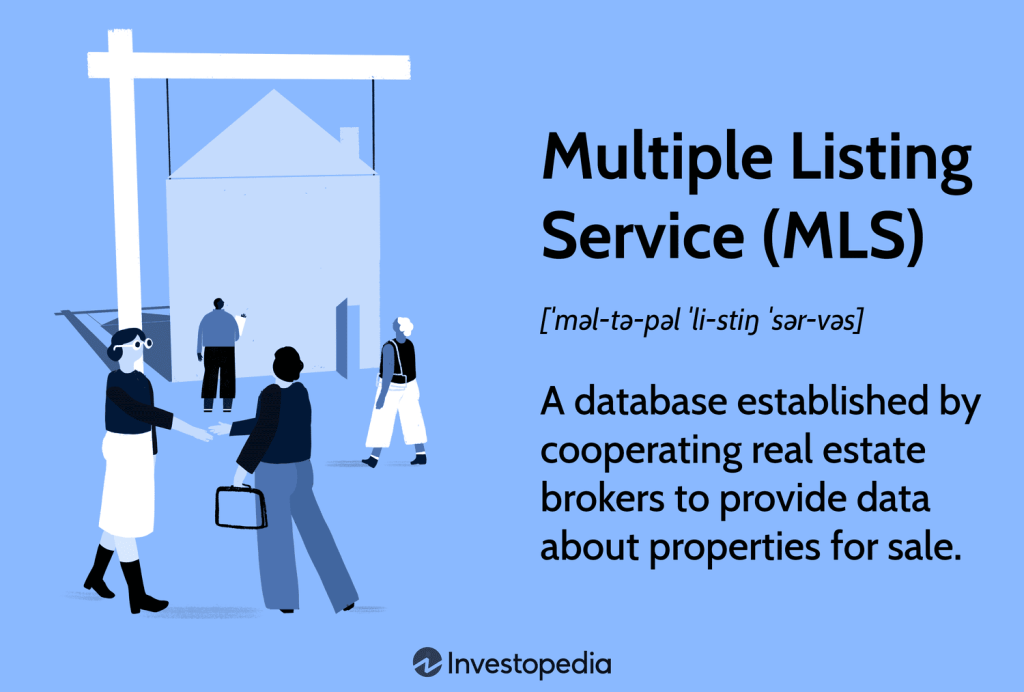
The Multiple Listing Service (MLS) is still one of the most reliable places to uncover real estate deals, even though competition is high. You don’t need to be licensed to access it. A buyer’s agent can set up custom searches for you, and many are happy to work with investors as long as you communicate clearly about what you’re looking for.
To filter the MLS for investment-worthy deals, focus on:
- Days on Market (DOM) — Properties sitting longer than 30 to 45 days often indicate a motivated seller.
- Price reductions — Repeated cuts usually signal urgency and room to negotiate.
- Keywords like “as-is,” “investor special,” “needs TLC,” or “handyman special.”
- Properties sold by banks (REO listings) where lenders want a quick sale.
Ask your agent to set email alerts so new opportunities hit your inbox instantly. In competitive markets, responding within minutes—not hours—can make a difference.
Using major listing sites to find real estate deals (Zillow, Redfin, LoopNet)
Large listing platforms can be surprisingly useful when you use them strategically. Zillow and Redfin are great for single-family and small multifamily searches, while LoopNet commercial listings work well for duplexes, triplexes, and commercial rentals.
Here’s how to make these sites work harder:
- Save searches with narrow filters (price range, property type, fixer-upper keywords).
- Use the “Recently Updated” filter to catch price reductions quickly.
- Check “For Sale By Owner” (FSBO) sections for overlooked properties.
- Scan neighborhoods on the map view to spot outliers or undervalued listings.
FSBO, expired, and stale listings: overlooked ways to find real estate deals
Investors often skip FSBO and expired listings even though they’re some of the easiest to negotiate. FSBO sellers typically want to avoid agent commissions and may be more flexible on price.
You can find FSBO deals on:
- Craigslist
- Facebook Marketplace
- Local community groups
- Yard signs or neighborhood bulletin boards
For expired MLS listings, reach out with a simple message:
“Hi, I noticed your property previously listed for sale. Are you still open to offers?”
You don’t need to overthink it. Many investors secure their best deals by simply being the person who asks.
Off-Market Methods: How to Find Real Estate Deals Other Investors Miss
How to find real estate deals through agents and pocket listings
One of the fastest ways to discover real estate deals is by building strong relationships with agents who handle distressed or investor-friendly properties. These agents often have “pocket listings,” which are properties available but not publicly advertised.
When meeting an agent, keep it simple:
- “Here’s my buy box: three-bed, one-bath homes under $250K needing light repairs.”
- “If you find anything close, text me and I’ll review it immediately.”
Consistency builds trust. The investors agents call first are the ones who respond quickly and close reliably. You can also follow local market data from the National Association of Realtors to understand pricing trends in your area.
Direct mail to motivated sellers: turning letters into off-market real estate deals
Direct mail still works because many motivated sellers don’t want to list publicly. The key is choosing the right lists and keeping your message short.
Best lists include:
- Absentee owners
- Inherited properties
- Pre-foreclosure homeowners
- Owners with tax liens or code violations
A simple message can outperform a long letter:
“Hi, I’m looking to buy a home in your area. If you’d consider an offer, I can make the process simple and fast.”
Expect 1% to 3% response rates, which is normal. One good lead can easily pay off a whole campaign.
Driving for dollars: finding real estate deals from your car
Driving for dollars means driving neighborhoods to identify properties showing signs of distress—overgrown lawns, boarded windows, tarps on roofs, piled-up mail, or visible neglect.
Log addresses into a deal-finding app like DealMachine, then skip trace and reach out to owners. This method can produce high-margin off-market deals because most investors are not physically scouting the area.
Working with wholesalers and bird dogs to find real estate deals
Wholesalers do a lot of the heavy lifting for you—finding motivated sellers, negotiating contracts, and bringing deals to your inbox. Your job is to evaluate the numbers and act fast.
Places to find trustworthy wholesalers:
- REIA meetings
- Local investor Facebook groups
- The BiggerPockets real estate investing community
Before signing an assignment, ask for:
- Comps used to justify ARV
- A clear repair estimate
- Any inspection or walk-through notes
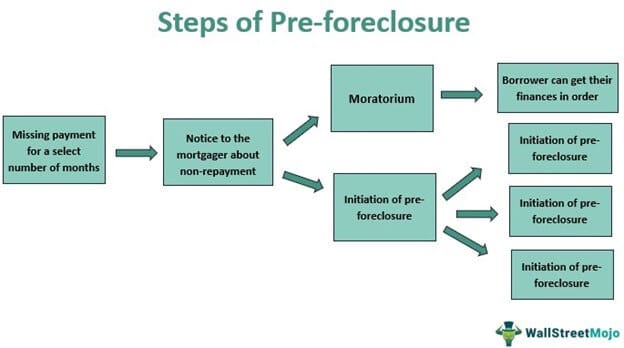
Pre-foreclosures, tax liens, and probate: advanced ways to find real estate deals
Public records offer some of the most profitable but overlooked opportunities. Pre-foreclosures, probate properties, and tax lien situations often involve motivated sellers who want a fast solution.
You can access data through county websites, local courts, or specialized tools. These leads usually require empathy, patience, and clear communication because the homeowner might be going through a tough period.
Auctions and bank-owned properties: how to find real estate deals under tight rules
Auctions—both in person and online—allow you to bid on discounted homes, but they come with strict terms. Some properties cannot be inspected, and you may need cash or certified funds to bid.
Online platforms like Auction.com list thousands of foreclosure and bank-owned properties, often at competitive prices. Always check property records and estimated repair needs before bidding.
Networking and local events: people-first ways to find real estate deals
Networking remains one of the strongest deal sources because people trust people. In many cities, the best deals change hands before ever going online.
Look for:
- Local REIA meetings
- Investor breakfasts or meetups
- Workshops hosted by lenders or contractors
Start small, introduce yourself clearly, and follow up after each meeting. You can find groups through the National REIA directory.
How to Know if a Real Estate Deal Is Actually Good
The 70 percent rule and simple math for finding real estate deals that work
The 70 percent rule helps you avoid overpaying on flips or distressed homes. The formula is simple:
Maximum Offer = (After Repair Value × 0.70) – Estimated Repairs
Example: If a home will be worth $300,000 after repairs and needs $40,000 in work:
Max Offer = ($300,000 × 0.70) – $40,000 = $170,000
This rule isn’t perfect for every market, but it keeps beginners from stretching too far or relying on overly optimistic assumptions. For more clarity, you can see explanations from resources like LendingTree’s wholesaling guide.
Quick checklist: does this real estate deal fit your strategy?
Use this simple checklist before committing to any property:
- Cash flow: Does rent comfortably exceed expenses?
- Repair cost accuracy: Are estimates verified by a contractor?
- Exit plan: Flip, wholesale, or hold—and does the math support it?
- Neighborhood: Are comps steady or trending upward?
- Risk factors: Legal issues, liens, expired permits, structural damage.
Red flags: when to walk away from a “deal”
Not every deal is a good deal. Here are the clearest signs you should walk:
- The ARV only works with perfect assumptions.
- The seller refuses access or inspections.
- Repair costs keep changing or aren’t documented.
- Comps are from different neighborhoods or outdated markets.
- The seller seems rushed, aggressive, or inconsistent.
If something feels off, it usually is.
Common Mistakes Beginners Make When Learning How to Find Real Estate Deals
Only looking on one website and calling it “deal hunting”
You won’t find consistent deals by checking Zillow for 10 minutes a day. Real investors diversify across MLS, off-market leads, and networking.
Chasing every lead instead of defining your buy box
A buy box is simply your ideal property profile. Without one, you waste hours on homes that never make sense.
Getting stuck in analysis mode and never making offers
Most beginners wait for the “perfect” deal. Experienced investors know you only get good by practicing offers—even the ones that won’t be accepted.
Ignoring relationships and trying to do everything alone
The best deals often come from people, not websites. Agents, wholesalers, and other investors can bring you opportunities you’d never see online.
FAQ: How to Find Real Estate Deals in Different Situations
How to find real estate deals as a beginner with little money?
Start with wholesaling, bird dogging, and networking. These require time and consistency, not large budgets.
How to find real estate deals off market instead of on Zillow?
Use direct mail, driving for dollars, pocket listings from agents, and skip tracing to reach sellers before listings go public.
What is the fastest way to find real estate deals in a hot market?
Build strong relationships with agents and respond quickly to new listings. Speed matters more than anything else.
How to find real estate deals in another state?
Partner with local agents, analyze data using tools like Mashvisor, and vet markets before making offers.
Conclusion: Put Your First (or Next) Real Estate Deal on the Calendar
Recap: a simple way to approach how to find real estate deals
Finding good real estate deals isn’t about luck, insider secrets, or waiting for the “perfect” moment. It’s about choosing a small target area, mixing two or three proven lead sources, tracking your pipeline, and staying consistent week after week. Whether you’re wholesaling, flipping, or building rental income, the same principles carry you forward: stay focused, run the numbers honestly, and follow up more than other investors are willing to.
Next steps: your 30-day action plan and call to action
You don’t need to do everything at once. Here’s a simple 30-day plan to get momentum:
- Week 1: Pick your buy box, set up all MLS and Zillow alerts, and drive one neighborhood.
- Week 2: Reach out to three agents, attend one REIA meeting, and call 10 property owners.
- Week 3: Send your first batch of direct mail and make at least two offers.
- Week 4: Follow up with every warm lead and refine your search criteria.
If you want structure, grab a deal-finding checklist or pair one off-market method with a data tool like Mashvisor rental analytics or a driving app. What matters most is staying consistent long enough to get your first win—after that, the process becomes much easier.
Author Note
This guide was written from the perspective of an active US real estate investor who has closed deals through MLS searches, driving for dollars, direct mail, wholesaler partnerships, and small multifamily acquisitions. With years of hands-on experience working across both on-market and off-market channels, the goal here is simple: give you a clear, realistic path to finding deals without hype or confusion. If you’re starting out or leveling up, I hope this serves as a roadmap you can actually use.
References
- National Association of Realtors Market Data
- BiggerPockets Real Estate Investing Community
- LoopNet Commercial Listings
- LendingTree Wholesaling Guide
- Auction.com Foreclosure and Bank-Owned Listings
- Mashvisor Rental Property Analytics
Related Post: Types of Property Frauds Every Buyer and Investor Must Know